Dr Somnath Dutta

Ayurvedic polyherbal formulation clinical research for type 2 diabetes by Dr Somnath Dutta

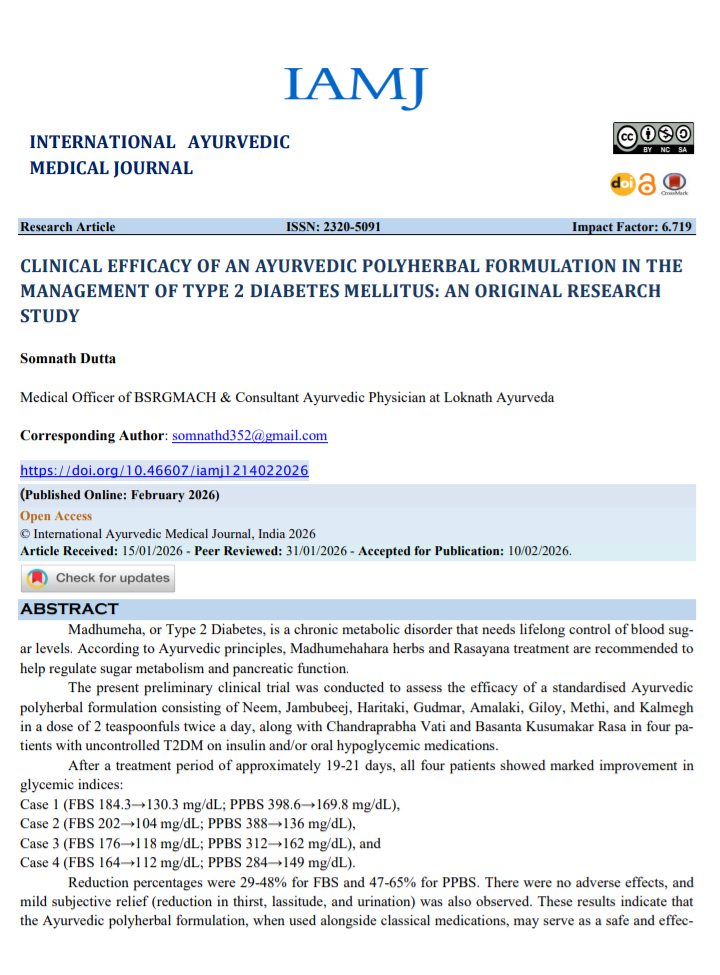
Clinical Efficacy of an Ayurvedic Polyherbal Formulation in Type 2 Diabetes Mellitus – Original Research by Dr. Somnath Dutta

Read the fu Clinical Efficacy of an Ayurvedic Polyherbal Formulation in the Management of Type 2 Diabetes Mellitus: An Original Research Study Diabetes Mellitus, particularly Type 2 Diabetes Mellitus (T2DM), is one of the most rapidly growing metabolic disorders worldwide. It is characterized by chronic hyperglycemia caused by impaired insulin secretion, insulin resistance, or both. Long-term complications of diabetes may affect the cardiovascular system, kidneys, eyes, and nerves, making effective and safe treatment strategies essential. In this context, traditional systems of medicine such as Ayurveda provide valuable therapeutic approaches using herbal formulations that aim to regulate metabolism, improve insulin sensitivity, and support long-term glycemic control. Dr. Somnath Dutta (B.A.M.S.), an Ayurvedic physician and clinical researcher based in Raiganj, Uttar Dinajpur, West Bengal, has contributed to this field through his research article titled: “Clinical Efficacy of an Ayurvedic Polyherbal Formulation in the Management of Type 2 Diabetes Mellitus: An Original Research Study.” The article is published in the International Ayurvedic Medical Journal (IAMJ), a peer-reviewed platform dedicated to advancing scientific understanding of Ayurveda. Background of the Study Ayurveda describes diabetes under the broad concept of Prameha, particularly Madhumeha, which involves disturbances in Kapha, Meda (adipose tissue), and Mutravaha Srotas. Management strategies focus on correcting metabolic imbalance through herbal formulations, dietary regulation, and lifestyle modification. Polyherbal formulations are widely used in Ayurveda because they combine multiple medicinal plants that act synergistically. Research has shown that such formulations can significantly improve blood glucose control, lipid metabolism, and insulin sensitivity in patients with Type 2 diabetes. Objectives of the Research The main objective of this study was to evaluate the clinical effectiveness of a specific Ayurvedic polyherbal formulation in managing Type 2 Diabetes Mellitus and improving glycemic parameters in affected patients. The research aimed to assess: Key Findings The study demonstrated that the Ayurvedic polyherbal formulation showed promising therapeutic effects in improving glycemic control among patients with Type 2 Diabetes Mellitus. The findings support the Ayurvedic principle that multi-herb formulations can provide a holistic approach to metabolic disorders, targeting multiple physiological pathways simultaneously. Such therapies may help reduce complications and improve quality of life when used appropriately under medical supervision. Significance of the Study This original research contributes to the growing body of evidence supporting evidence-based Ayurveda. It highlights the potential role of herbal formulations as complementary or supportive therapies in the long-term management of diabetes. Through scientific documentation and peer-reviewed publication, the study strengthens the integration of traditional Ayurvedic knowledge with modern clinical research. Access the Full Research Article Read the full article at the official journal website   Media Coverage: TV Interview on the Research Following the publication of this research on Type 2 Diabetes Mellitus and Ayurvedic Polyherbal Formulation, the work received media attention from a local television news channel. The channel conducted a special interview with Dr. Somnath Dutta to discuss the research findings, the importance of evidence-based Ayurveda, and the potential role of herbal formulations in diabetes management. During the interview, Dr. Dutta explained the background of the study, the Ayurvedic understanding of Madhumeha (Diabetes), and how scientifically documented herbal formulations may contribute to better metabolic regulation and patient outcomes. The discussion also highlighted the importance of integrating traditional Ayurvedic knowledge with modern clinical research. This media coverage reflects growing public interest in research-based Ayurvedic healthcare and highlights the importance of scientific publications in strengthening the credibility of traditional medicine. Watch the Interview

Clinical Efficacy of an Ayurvedic Polyherbal Formulation in Type 2 Diabetes Mellitus – Original Research by Dr. Somnath Dutta Read More »

Digestion Is the Root of Health – Ayurveda’s Agni Concept

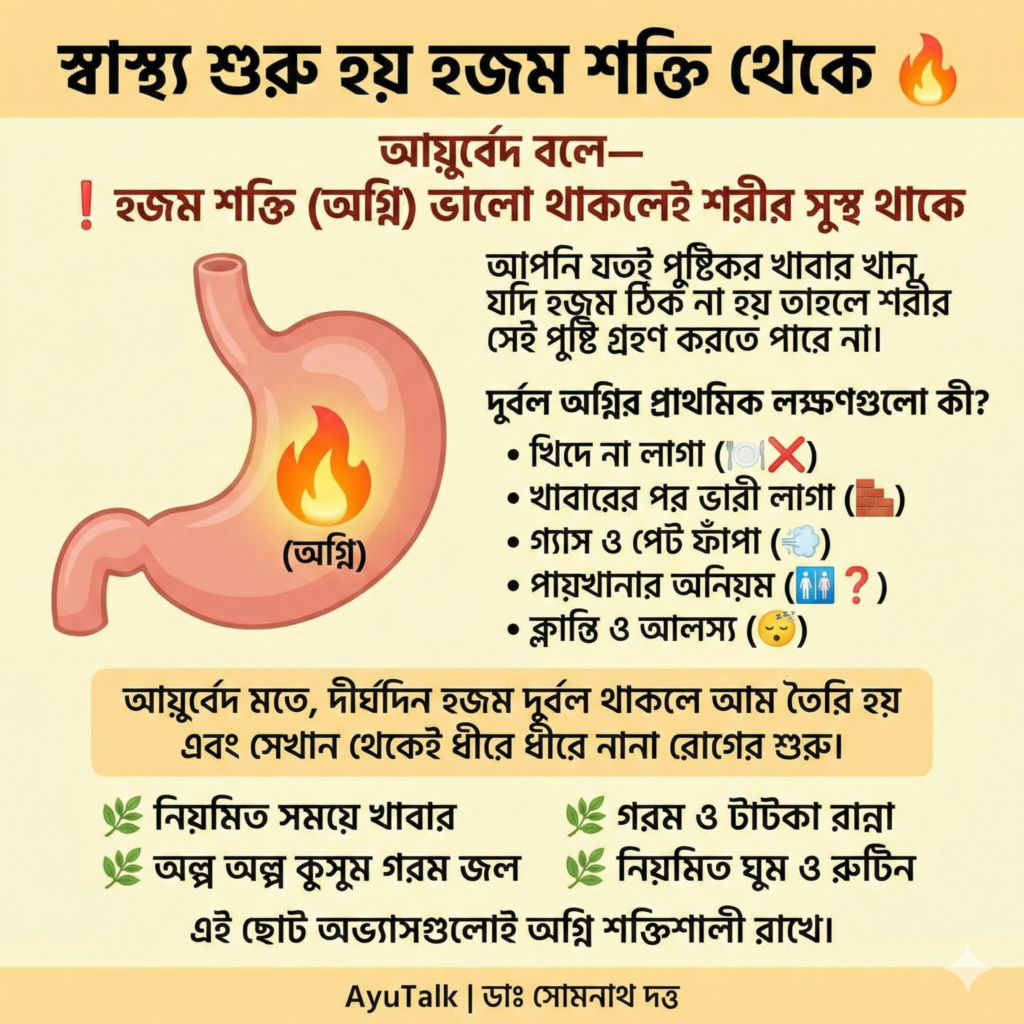
Digestion Is the Root of Health – Ayurveda’s Agni Concept – AyuTalk with Dr. Somnath

Digestion Is the Root of Health – Ayurveda’s Agni Concept Why Strong Digestion Is the Foundation of a Healthy Life স্বাস্থ্য শুরু হয় হজম শক্তি থেকে – অগ্নি তত্ত্ব আয়ুর্বেদ কী বলে? BOOK APPOINTMENT BOOK APPOINTMENT

Digestion Is the Root of Health – Ayurveda’s Agni Concept – AyuTalk with Dr. Somnath Read More »

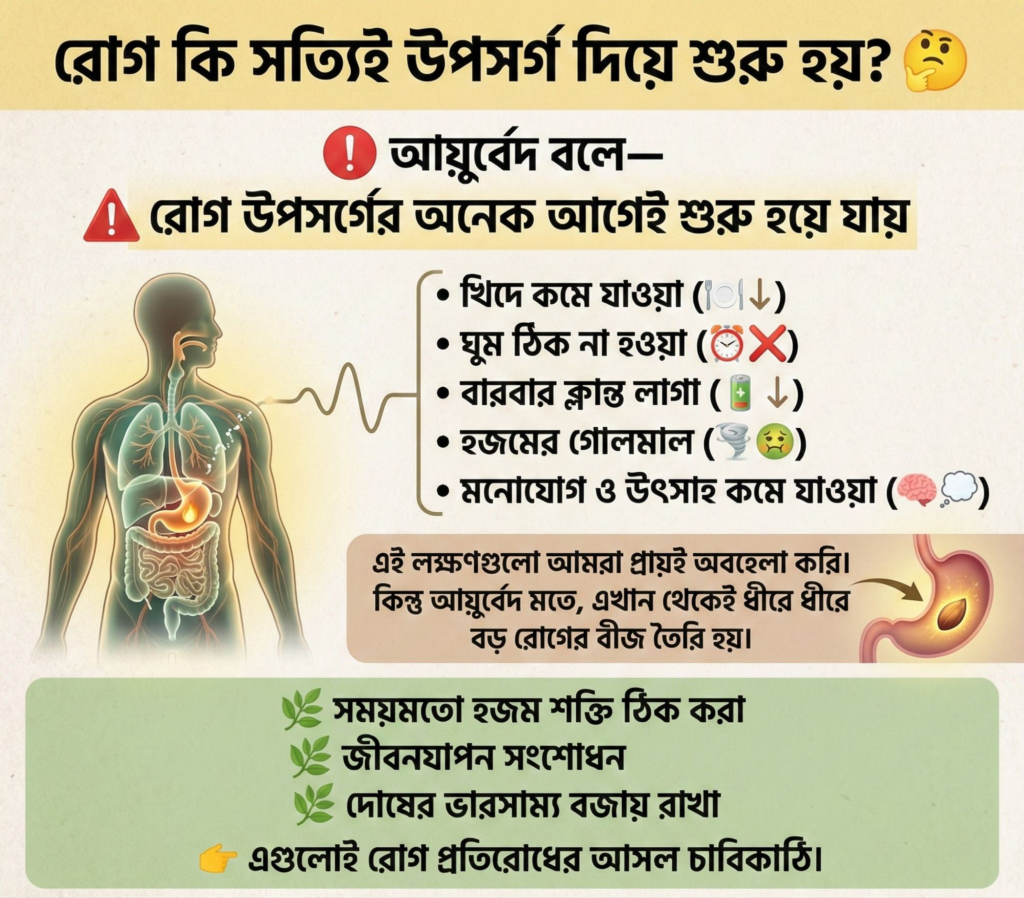
According to Ayurveda, Disease Starts Much Before Symptoms – AyuTalk with Dr. Somnath

According to Ayurveda, Disease Starts Much Before Symptoms Understanding Early Warning Signs and Natural Solutions রোগ শুরু হয় উপসর্গের আগেই আয়ুর্বেদ কী বলে? BOOK APPOINTMENT BOOK APPOINTMENT

According to Ayurveda, Disease Starts Much Before Symptoms – AyuTalk with Dr. Somnath Read More »

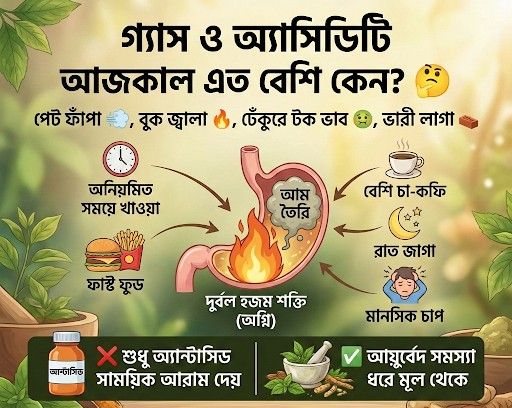
Why Gas & Acidity Have Become So Common Today? – AyuTalk with Dr. Somnath

Why Gas & Acidity Have Become So Common Today? Why Ayurveda Looks Beyond Antacids গ্যাস ও অ্যাসিডিটি আজকাল এত বেশি কেন? আয়ুর্বেদ কেন শুধু অ্যান্টাসিডে বিশ্বাস করে না Gas and acidity have become extremely common health complaints in modern life. Symptoms like bloating, burning sensation in the chest, sour belching, heaviness after meals, nausea, and irregular bowel movements affect people of all ages. Many depend on antacids for quick relief, but the problem often returns, sometimes more severely. গ্যাস ও অ্যাসিডিটি বর্তমানে খুব সাধারণ স্বাস্থ্য সমস্যা হয়ে দাঁড়িয়েছে। পেট ফাঁপা, বুক জ্বালা, ঢেঁকুরে টক ভাব, খাবারের পর ভারী লাগা, বমি ভাব ও পায়খানার অনিয়ম সব বয়সের মানুষের মধ্যেই দেখা যায়। সাময়িক আরামের জন্য অনেকেই অ্যান্টাসিড খান, কিন্তু সমস্যা বারবার ফিরে আসে। BOOK APPOINTMENT BOOK APPOINTMENT

Why Gas & Acidity Have Become So Common Today? – AyuTalk with Dr. Somnath Read More »

Ayurvedic anaesthesia concept Sangyaharan research by Dr. Somnath Dutta IAMJ publication

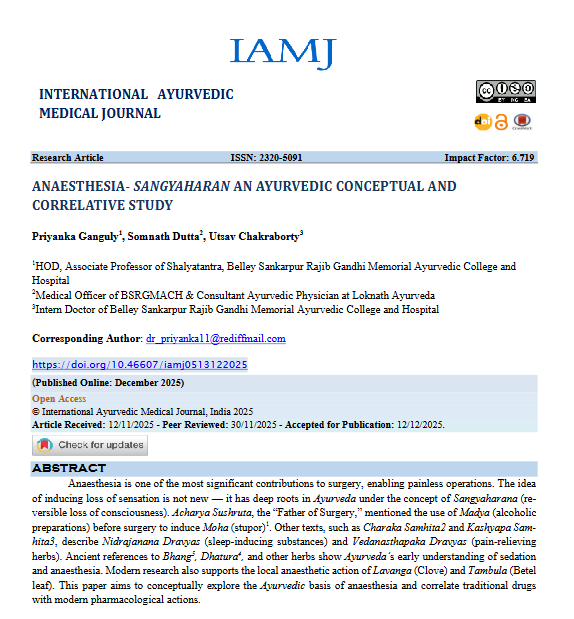
Anaesthesia – Sangyaharan: Ayurvedic Conceptual and Correlative Study

Anaesthesia – Sangyaharan: Ayurvedic Conceptual and Correlative Study Anaesthesia plays a crucial role in clinical practice to ensure painless procedures, comfort, and safety. While modern medicine relies on pharmacological agents for anaesthesia, Ayurveda provides its own classical insights through the concept of Sangyaharan — mechanisms and techniques that suppress sensation to facilitate painless therapeutic interventions. Dr. Somnath Dutta (B.A.M.S.), an Ayurvedic physician and clinical researcher practicing in Raiganj, Uttar Dinajpur, West Bengal, has published a peer-reviewed article titled “Anaesthesia – Sangyaharan: An Ayurvedic Conceptual and Correlative Study” in the International Ayurvedic Medical Journal (IAMJ). This conceptual research bridges classical Ayurvedic theories with modern anaesthesia understanding, highlighting the scientific relevance and clinical insight of ancient principles. Understanding Sangyaharan in Ayurveda In Ayurveda, Sangyaharan refers to the suppression of sensory perception to prevent pain and discomfort during therapeutic procedures. Classical texts describe methods to reduce dosha and sensory stimulation, often using medicinal formulations and techniques to create a state similar to modern anaesthesia. The research article explores: By examining classical sutras and logical correlation with contemporary biomedical science, the study presents Sangyaharan as a conceptual bridge between historical wisdom and present-day clinical practice. Correlation with Modern Anaesthesia Modern anaesthesia employs drugs that affect the central nervous system to induce unconsciousness and analgesia. While these agents are not directly mentioned in Ayurvedic texts, the research highlights functional parallels with Ayurvedic herbs and rasayanas that: This study provides insight into how Ayurveda’s holistic view can offer alternative conceptual frameworks for understanding pain control and sensory modulation. Research Relevance and Contribution The article contributes to both Ayurvedic scholarship and integrative medical knowledge by: Dr. Dutta’s work exemplifies deep academic engagement with classical Ayurvedic thought while remaining sensitive to contemporary clinical relevance. Access the Published Article 🔗 International Ayurvedic Medical Journal (IAMJ)https://iamj.in/article/d1113ae0-ed3d-41cf-811f-b59f0f8477b9

Anaesthesia – Sangyaharan: Ayurvedic Conceptual and Correlative Study Read More »

Ayurvedic management of kidney stones (ureteric calculus) case report by Dr. Somnath Dutta

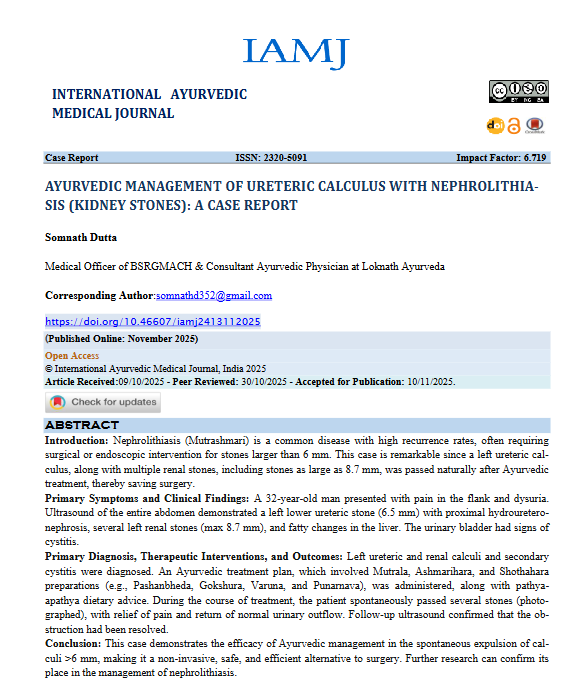
Ayurvedic Management of Ureteric Calculus (Kidney Stones) – A Clinical Case Report

Ayurvedic Management of Ureteric Calculus (Kidney Stones) – A Clinical Case Report Kidney stones (ureteric calculus or nephrolithiasis) are a common cause of severe flank pain and urinary complications. While conventional management often includes pharmacotherapy or surgical procedures, Ayurveda offers time-tested approaches that focus on root-cause correction, symptom relief, and long-term stone prevention. Dr. Somnath Dutta (B.A.M.S.), an Ayurvedic physician and clinical researcher based in Raiganj, Uttar Dinajpur, West Bengal, has published a peer-reviewed case report titled “Ayurvedic Management of Ureteric Calculus with Nephrolithiasis (Kidney Stones)” in the International Ayurvedic Medical Journal (IAMJ). This clinical case emphasizes conservative Ayurvedic intervention in a patient with symptomatic kidney stones, highlighting the practical role of classical therapies in contemporary practice. Case Summary and Clinical Approach The published report details the Ayurvedic assessment of a patient presenting with: The treatment protocol was designed based on Ayurvedic principles of dosha balance, agni (digestive fire) correction, and elimination of urinary tract obstruction without invasive intervention. Key components of the Ayurvedic management included: Clinical Outcomes The case report demonstrated:✔ Significant reduction in pain✔ Improved urinary symptoms✔ Radiological evidence of stone passage/reduction✔ Symptom relief without surgical intervention These results reinforce the therapeutic potential of Ayurvedic treatments in selected patients with ureteric calculi, particularly when individualized protocols are followed under expert supervision. Significance of This Publication This IAMJ case report bridges classical Ayurvedic wisdom and modern clinical observation, contributing to evidence-based traditional medicine. The publication: By sharing practical clinical data, Dr. Dutta supports the wider adoption of Ayurvedic management strategies, inspiring both practitioners and patients to consider holistic alternatives in suitable clinical scenarios. Access the Published Article 🔗 International Ayurvedic Medical Journal (IAMJ)https://iamj.in/article/f4e78659-8c42-4523-a20f-213577ebf4a4

Ayurvedic Management of Ureteric Calculus (Kidney Stones) – A Clinical Case Report Read More »

Medicinal Leech Therapy Jalaukavacharana Ayurvedic and modern research by Dr. Somnath Dutta

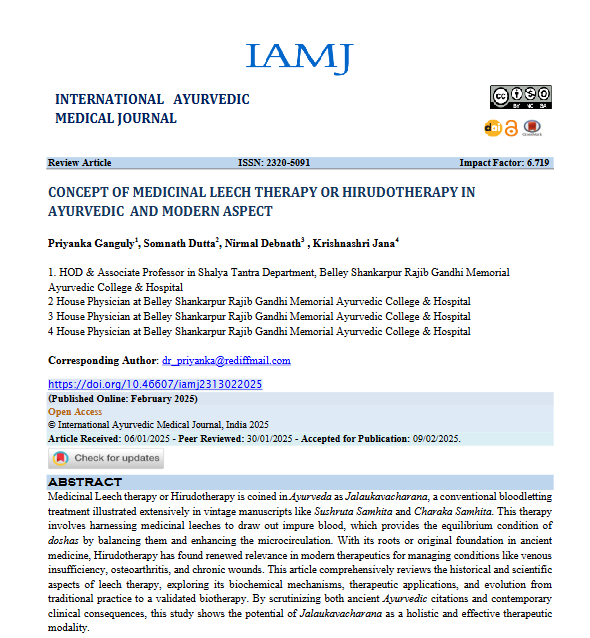
Medicinal Leech Therapy (Jalaukavacharana): Ayurvedic and Modern Perspective

Medicinal Leech Therapy (Jalaukavacharana): Ayurvedic and Modern Perspective Ayurveda, the ancient system of medicine, describes Jalaukavacharana (Medicinal Leech Therapy) as one of the most gentle and effective methods of Raktamokshana (bloodletting therapy). In recent years, this classical Ayurvedic procedure has gained renewed scientific interest in modern medicine under the name Hirudotherapy, due to its proven therapeutic and biochemical benefits. Dr. Somnath Dutta (B.A.M.S.), an Ayurvedic physician and researcher based in Raiganj, Uttar Dinajpur, West Bengal, has contributed to this growing body of evidence through his peer-reviewed research article titled “Concept of Medicinal Leech Therapy or Hirudotherapy in Ayurvedic and Modern Aspect”, published in the International Ayurvedic Medical Journal (IAMJ). Ayurvedic Concept of Jalaukavacharana Classical Ayurvedic texts, especially the Sushruta Samhita, describe Jalaukavacharana as the safest form of Raktamokshana, particularly suitable for Pitta-dominant individuals, elderly patients, women, and those with low tolerance to invasive procedures. The therapy is primarily indicated in disorders caused by vitiated Rakta and Pitta Dosha, such as: Ayurveda emphasizes the careful selection of non-poisonous medicinal leeches, proper purification procedures, and systematic post-therapy care to ensure safety and therapeutic effectiveness. Modern Scientific Understanding of Hirudotherapy Modern medical science has validated many classical Ayurvedic claims regarding leech therapy. Research shows that leech saliva contains biologically active compounds such as hirudin, calin, eglins, hyaluronidase, and bdellins, which possess anticoagulant, anti-inflammatory, analgesic, and vasodilatory properties. Due to these effects, hirudotherapy is currently used in modern medicine for vascular disorders, plastic and reconstructive surgery, arthritis, chronic wounds, and inflammatory skin conditions. These findings support the Ayurvedic view that Jalaukavacharana improves microcirculation, reduces congestion, and accelerates tissue healing. Significance of This Research This research article aims to bridge the gap between classical Ayurvedic knowledge and modern biomedical science. By systematically explaining both perspectives, the study highlights how traditional therapies can be safely integrated into contemporary clinical practice when applied with proper scientific protocols. Dr. Dutta’s work reflects a commitment to: Clinical Relevance and Application As a practicing Ayurvedic physician, Dr. Somnath Dutta applies research-guided principles in clinical settings, ensuring that traditional therapies like leech therapy are used judiciously, safely, and effectively. His research background supports informed clinical decision-making and strengthens patient confidence in authentic Ayurvedic treatments. Access the Published Research The full peer-reviewed article is available at the official journal website: 🔗 International Ayurvedic Medical Journal (IAMJ)https://iamj.in/article/f6587cdd-ee27-405c-8527-a0638bce7086

Medicinal Leech Therapy (Jalaukavacharana): Ayurvedic and Modern Perspective Read More »

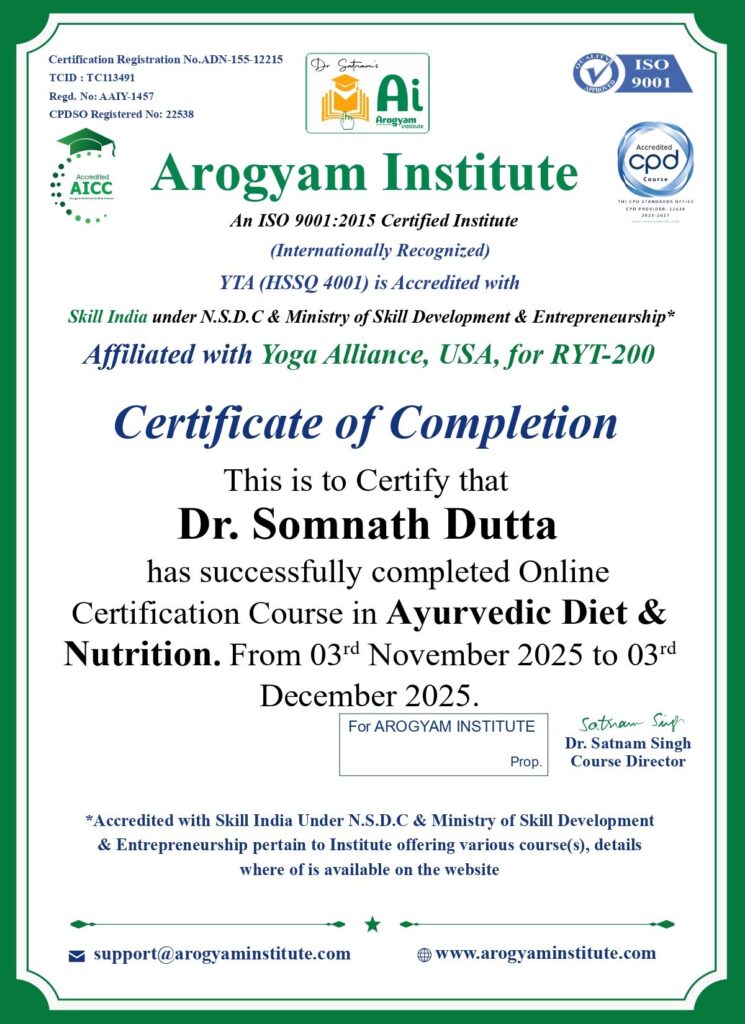
Certification in Ayurvedic Diet & Nutrition

Certification in Ayurvedic Diet & Nutrition Diet and nutrition form the foundation of Ayurvedic treatment, as clearly emphasized in classical texts through the concept of Āhāra as Mahābhaiṣajya (diet as the supreme medicine). A well-planned Ayurvedic diet not only supports disease management but also plays a vital role in disease prevention, lifestyle correction, and long-term wellness. With the growing burden of lifestyle disorders, metabolic diseases, and digestive issues, the role of evidence-based Ayurvedic nutrition has become increasingly important in modern clinical practice. I, Dr. Somnath Dutta, have successfully completed an Online Certification Course in Ayurvedic Diet & Nutrition conducted by Arogyam Institute, an ISO 9001:2015 certified and internationally recognized institute. The course was completed over a structured duration from 03rd November 2025 to 03rd December 2025, ensuring comprehensive theoretical and practical exposure to Ayurvedic nutritional principles. This certification programme focused on the classical concepts of Ahara Vidhi, Ahara Matra, Rasa, Guna, Virya, Vipaka, and their application in maintaining Dosha balance (Vata, Pitta, Kapha). Special emphasis was given to prakriti-based diet planning, seasonal regimens (Ritucharya), daily dietary routines (Dinacharya), and disease-specific nutritional management. The course also integrated modern nutritional understanding with Ayurvedic principles, enabling a holistic and patient-centric approach. Through this programme, I gained advanced insights into designing personalized diet charts for various conditions such as digestive disorders, obesity, diabetes, hormonal imbalances, stress-related disorders, and general wellness. The training strengthened my ability to guide patients with practical, sustainable, and culturally adaptable dietary recommendations rooted in classical Ayurveda. The course was conducted under the guidance of experienced faculty from Arogyam Institute and was directed by Dr. Satnam Singh, ensuring academic credibility and structured learning. The institute’s accreditation under Skill India and recognition by national and international bodies further enhances the professional value of this certification. This certification reflects my commitment to continuous learning and my dedication to integrating Ayurvedic dietetics and nutrition therapy into clinical practice. The knowledge acquired is actively applied in my day-to-day patient consultations, helping individuals achieve better digestion, improved metabolism, enhanced immunity, and overall well-being through natural and time-tested dietary principles. By combining classical Ayurvedic wisdom with contemporary nutritional science, this training has strengthened my role as an Ayurvedic physician focused on preventive healthcare, lifestyle modification, and holistic healing.

Certification in Ayurvedic Diet & Nutrition Read More »

Participation in Awareness Programme on Pharmacovigilance in ASU & H Drugs

Participation in Awareness Programme on Pharmacovigilance in ASU & H Drugs

Participation in Awareness Programme on Pharmacovigilance in ASU & H Drugs Pharmacovigilance plays a crucial role in ensuring the safety, efficacy, and rational use of drugs, especially in traditional systems of medicine like Ayurveda, Siddha, Unani, and Homoeopathy (ASU & H). With the increasing use of Ayurvedic medicines across the country, monitoring adverse drug reactions and preventing misleading advertisements has become an essential responsibility of healthcare professionals. I, Dr. Somnath Dutta, had the privilege of participating in the Awareness Programme on Pharmacovigilance in ASU & H Drugs and Misleading Advertisements, organized by the Central Ayurveda Research Institute (CARI), Kolkata, under the Central Council for Research in Ayurvedic Sciences (CCRAS), Ministry of AYUSH, Government of India. This programme was conducted on 28th March 2023 at Rajib Gandhi Memorial Ayurvedic College & Hospital, Belley Shankarpur, North 24 Parganas, West Bengal. The programme aimed to create awareness among Ayurvedic physicians, academicians, and healthcare professionals regarding the importance of pharmacovigilance in Ayurvedic practice. Special emphasis was given to the identification, documentation, and reporting of adverse drug reactions (ADRs) related to Ayurvedic medicines, as well as the ethical and legal responsibilities of physicians in preventing misleading drug advertisements. During the session, experts from CARI and the Pharmacovigilance Programme of AYUSH (PPvC) discussed national guidelines, reporting mechanisms, and real-world challenges faced in pharmacovigilance of traditional medicines. The programme also highlighted the role of physicians in strengthening patient safety by ensuring rational prescription practices, quality control, and post-marketing surveillance of Ayurvedic drugs. Participation in this programme significantly enhanced my understanding of drug safety monitoring, regulatory frameworks, and the scientific approach required in modern Ayurvedic practice. It reinforced the importance of evidence-based Ayurveda and responsible communication with patients and the public. The awareness regarding misleading advertisements was particularly valuable, as it emphasized ethical practice and compliance with government regulations to protect public health. This certification reflects my commitment to continuous professional development and my dedication to practicing Ayurveda in a safe, ethical, and scientifically responsible manner. The knowledge gained from this programme is actively applied in my clinical practice, research work, and patient education, ensuring higher standards of care and trust in Ayurvedic treatment.

Participation in Awareness Programme on Pharmacovigilance in ASU & H Drugs Read More »